

What Food and Beverage Shippers Need to Know About a TMS
This guide breaks down how a TMS helps food and beverage distributors manage temperature-sensitive freight, retailer compliance, and reduce chargebacks.
TMS Dock Scheduling Integration: Why It Matters
How TMS integrates with dock scheduling systems to reduce delays, improve visibility, and connect shipment and warehouse workflows.
TMS Shopify Integration: How It Works
Here’s how a modern TMS integrates with Shopify to automate order fulfillment, shipping, and tracking for SMB and eCommerce shippers.
TMS Integration With QuickBooks: A Guide for Shippers
Your TMS can integrate with QuickBooks to automate freight cost tracking, invoicing, and reconciliation for SMB shippers. Here’s how.
TMS and NetSuite Integration: How It Works
How a TMS integrates with NetSuite, including data flows, setup options, and what SMB shippers should expect.
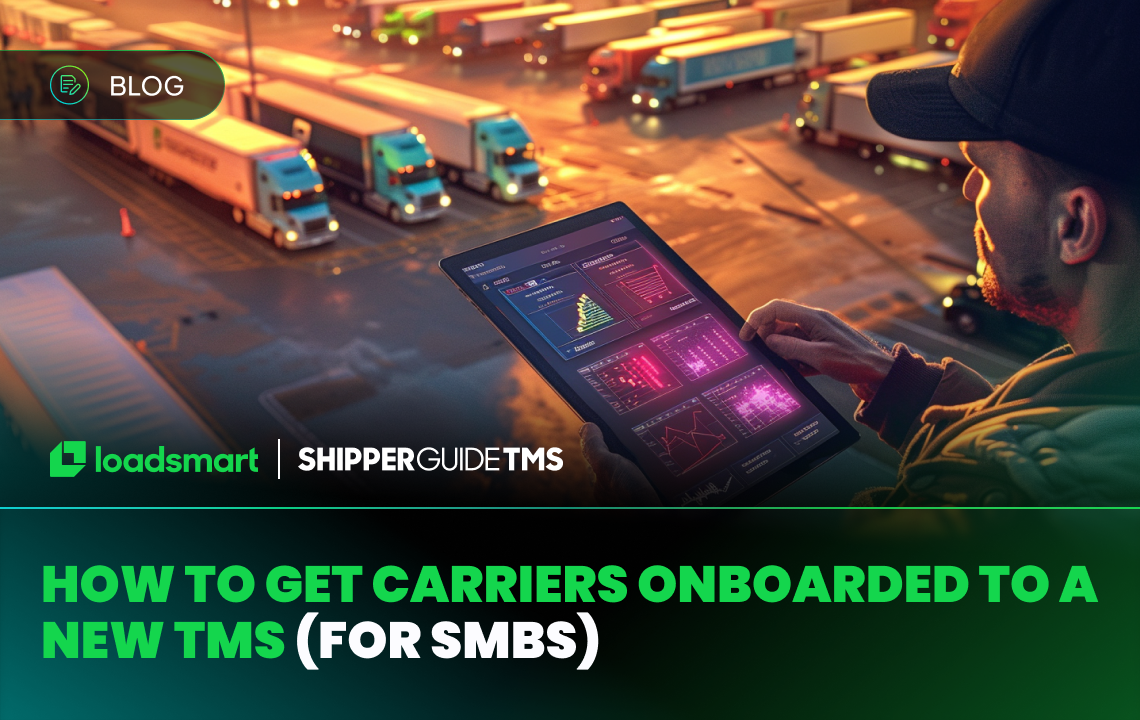
How to Get Carriers Onboarded to a New TMS
Learn how to onboard carriers to a TMS, including EDI/API connections, rate setup, and how to avoid delays during implementation.
TMS Data Requirements: What to Gather First
A guide to what data is required to implement a TMS, including a practical checklist for SMB shippers on what you need, what helps, and what can wait.
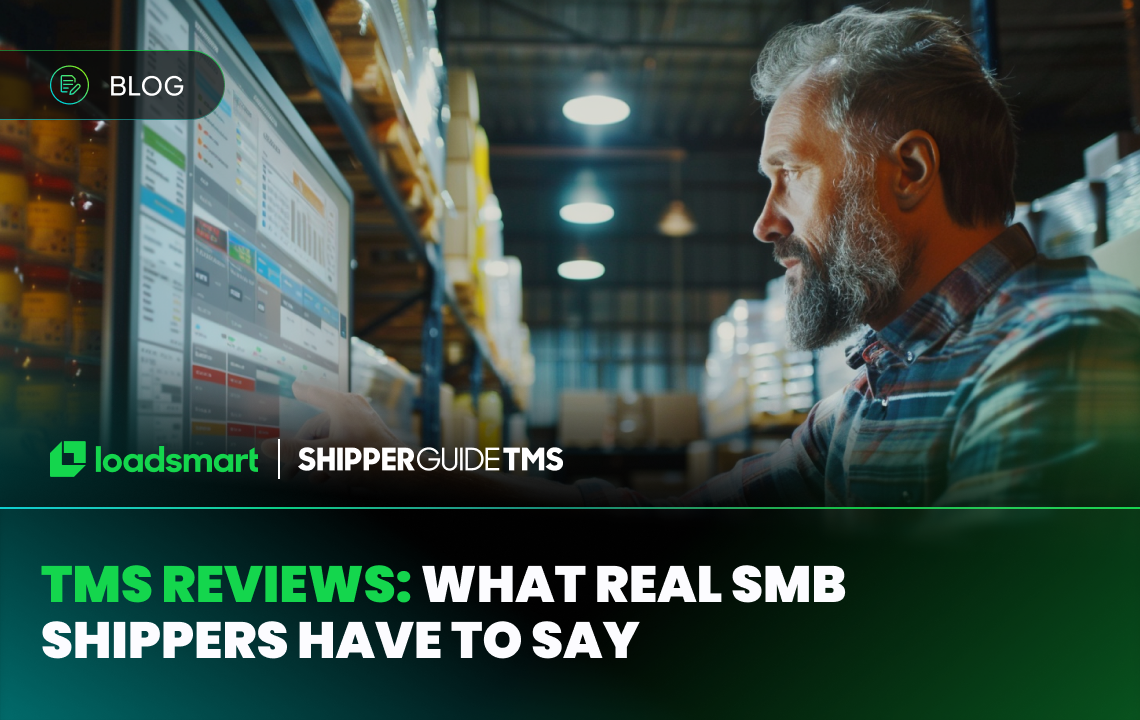
TMS Reviews: What Real Shippers Have to Say
Here’s what SMB shippers actually say about switching from spreadsheets to a TMS, including time savings, cost reduction, and what to expect.
Using ShipperGuide to Compare Freight Broker Rates Instantly
Connect your brokers, get real-time pricing, and book in clicks. See how ShipperGuide helps shippers compare freight broker rates instantly.