

Automated Freight Procurement: What It Is, How It Works
Automated freight procurement uses AI to run carrier sourcing and RFP administration, so you no longer have to manage carrier outreach manually.

Carrier Diversification: How It Reduces Procurement Risk
Carrier diversification spreads freight volume across multiple qualified carriers, reducing procurement risk. Here’s how it works—and how automation helps.

Automated Carrier Onboarding, Explained
Automated carrier onboarding uses predefined requirements, or AI agents, in some cases, to check whether a carrier meets a shipper’s compliance standards.
Using ShipperGuide to Compare Freight Broker Rates Instantly
Connect your brokers, get real-time pricing, and book in clicks. See how ShipperGuide helps shippers compare freight broker rates instantly.
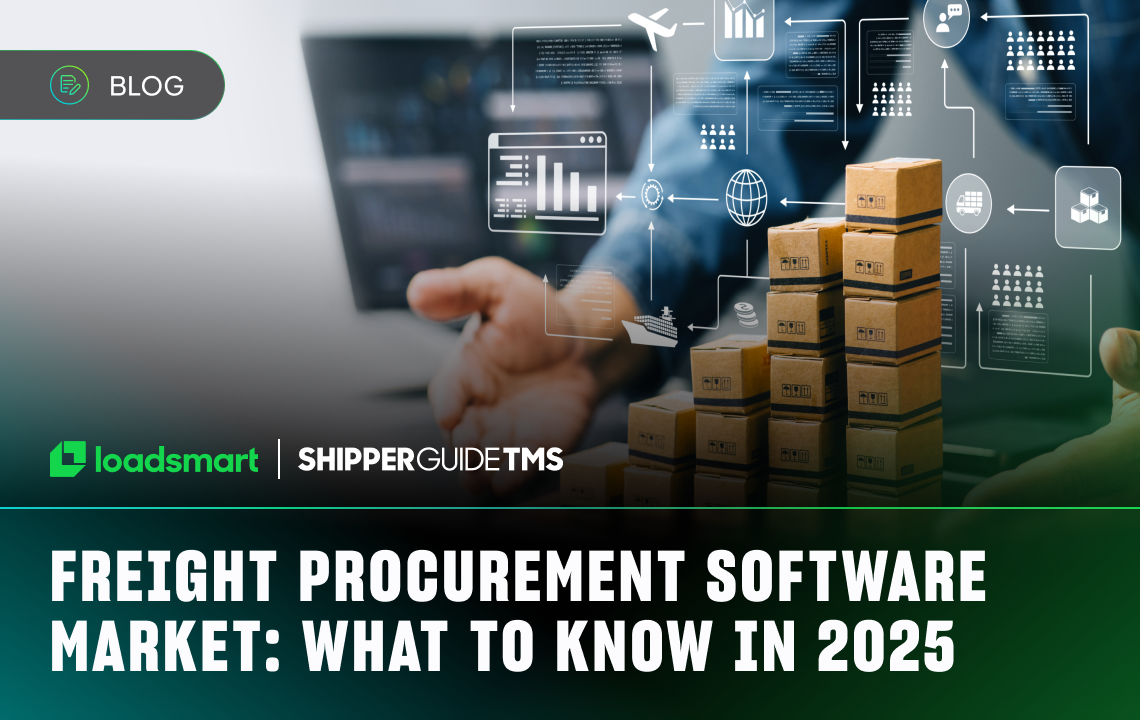
Freight Procurement Software Market: What to Know
The freight procurement software market is on track to nearly double by 2030. Here is what is pushing shippers to buy.
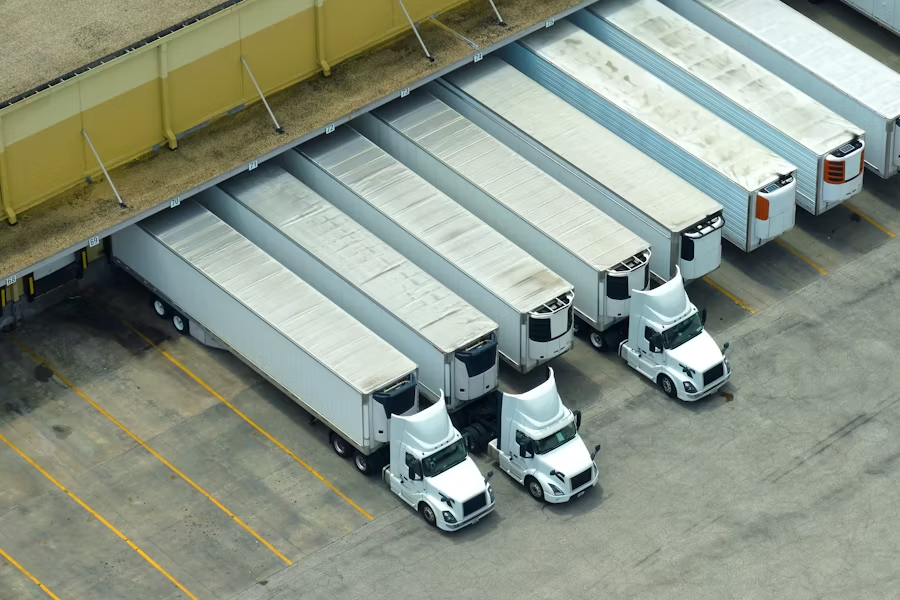
6 Freight Procurement Strategies in Supply Chain Management
Explore key freight procurement strategies—automation, data, partnerships, and planning—that strengthen modern supply chain management.
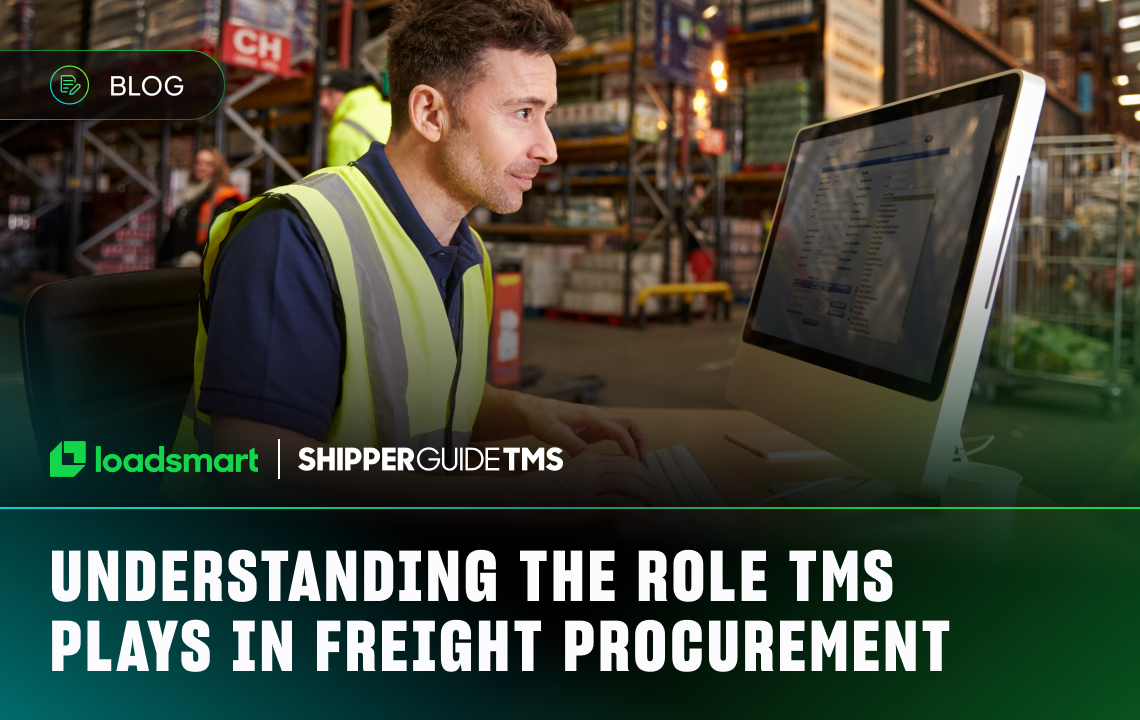
The Role of TMS Software in Modern Freight Procurement
One platform to plan, book, track and pay for freight. Here is the part of a TMS that freight buyers actually lean on.
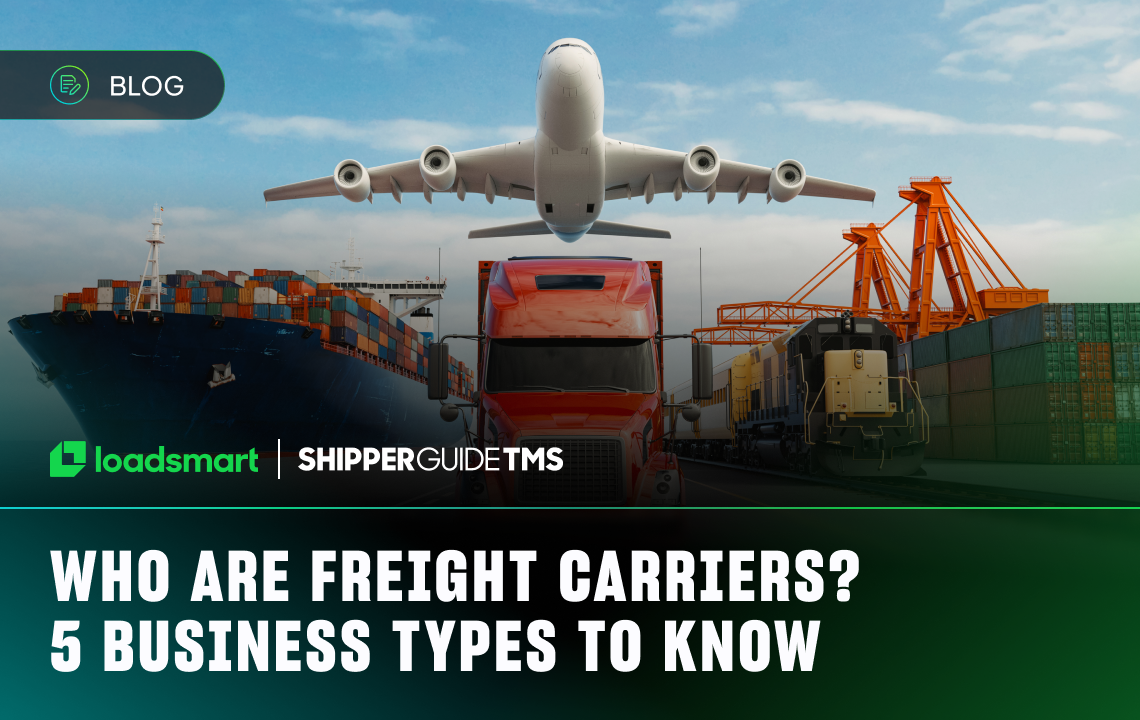
Who Are Freight Carriers? 5 Business Types to Know
Truck, rail, ocean, air, and parcel carriers each fit a different job. See how shippers choose between them.
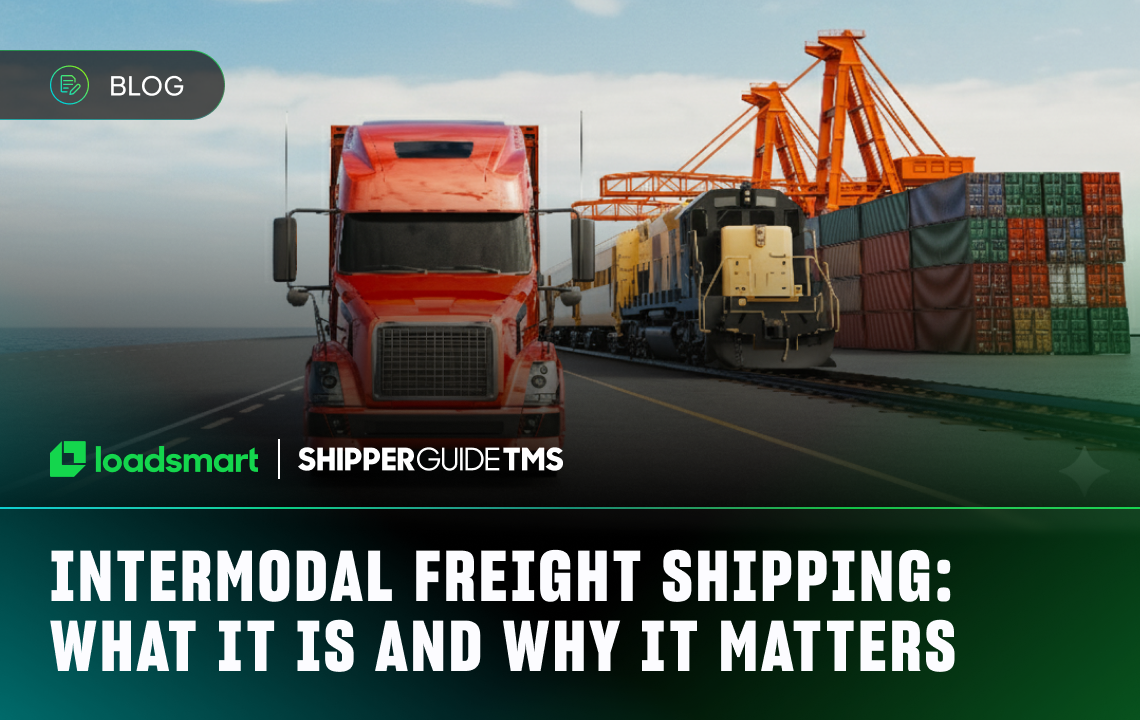
Intermodal Freight Shipping: What It Is and Why It Matters
Learn how intermodal freight works and how ShipperGuide manages quoting, carrier selection, and tracking across rail and dray.